





Self-build home: Confirm appointment of the design and build contractor to construct the home

NB Where a single-stage procurement route has been followed, and the contractor’s initial appointment was for both design and construction, the contract sum for the construction of the home will already have been agreed.
Ideally, when the the design and build contractor's appointment to construct the home is confirmed, negotiation is a mathematical exercise following the pricing criteria agreed in the first-stage when the contractor was appointed to design the home.
The first-stage appointment might have been made on the basis of a bespoke agreement, a consultancy agreement or a pre-construction services agreement (PCSA), with an appendix setting out the tender items to be applied to the construction contract, with a clause that made it clear there is no obligation to proceed to the construction contract, and in such circumstances the pre-construction fee would be full and final settlement of the contractor's costs.
However, there are likely to be items not anticipated in the first stage, for which negotiations will be necessary.
Negotiating at this point is difficult because the contractor is ‘embedded’ in the project and there is little threat from competition. This can mean that tender prices for the second stage of two-stage contracts are higher than traditional contracts, which are subject to full competition. However, there tend to be fewer variations and fewer claims; as the contractor has a longer period of familiarity with the project and a better-developed relationship with the self builder.
Ideally there will be some means of securing an alternative bid if negotiations with the contractor fail, albeit this is likely to result in delays and difficulties in attributing design liability.
Featured articles
Check out some of the best features and news from Designing Buildings as well as key stories from around the web.
Listed structures on the rail network
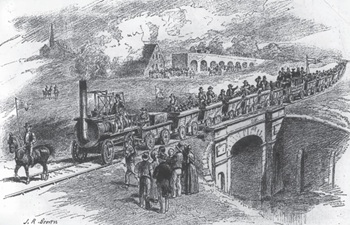
Heritage interests and operational requirements must be balanced.
Historic England publishes research into embodied carbon when retrofitting traditional buildings.

New Prime Minister delivers on ECA call for cut in electricity costs.

CIOB reacts to the announcement of Andy Burnham as Prime Minister.

Heritage and conservation science workforce survey - Have your say.
England's Suburbs 1820-2020. Book review.

New, more proportionate and targeted approach for higher-risk building assessments.

Government brings British Steel into public ownership.

UKCW Birmingham returns with bold new theme and focus.

New guidance published on competence requirements for self-certification schemes.
Construction Management, 8 July

NEETs crisis drives interest in trades, but apprenticeships barriers remain.
Passive fire protection webinar

MEP services penetration seals.